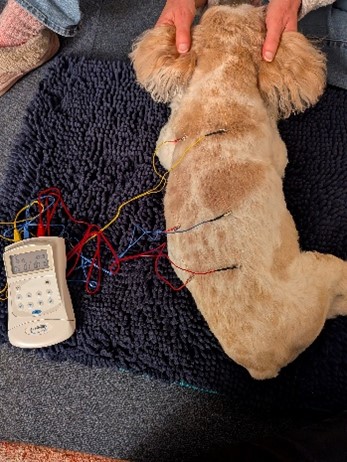
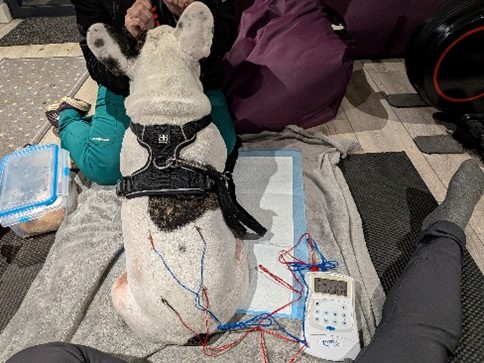
Electroacupuncture (EA) is an enhanced form of traditional acupuncture that uses gentle electrical stimulation to amplify therapeutic effects. Although electrical stimulation for pain relief was first documented as far back as 46 AD, modern EA has become a well‑researched, evidence‑based treatment used in both human and veterinary medicine.
Today, EA is recognised for its ability to support musculoskeletal, neurological, gastrointestinal, and post‑surgical recovery — making it a valuable tool in integrative veterinary care.
Electroacupuncture involves inserting acupuncture needles into specific points and then connecting them to a device that delivers a controlled electrical current. This current is extremely small and safe, and it enhances the physiological effects of acupuncture.
In veterinary practice, we typically use low or mixed low/intermediate frequencies (2/15 Hz). These frequencies:
Produce slower but longer‑lasting therapeutic effects
Build cumulative benefits over repeated sessions
Are well tolerated by animals
EA works by influencing the nervous system at multiple levels — peripheral, spinal, and central (brain). The electrical stimulation triggers the release of natural, pain‑relieving chemicals known as endogenous opioids, as well as neurotransmitters involved in mood, pain modulation, and inflammation control.
Different frequencies release different opioid peptides:
| Frequency | Opioid Released | Best For |
| 2 Hz | Endomorphins | Chronic pain, long‑term modulation |
| 15 Hz | Endomorphins, Enkephalins, β‑endorphins | Acute & chronic pain, inflammation |
| 100 Hz | Dynorphins | Severe acute pain |
These chemicals help:
This is why EA can be more effective than dry needle acupuncture alone, especially for chronic or complex conditions.
Different nerve fibres respond differently to electrical stimulation:
For therapeutic benefit, EA aims to stimulate Aβ and Aδ fibres, which help block pain signals and promote healthy nerve function. Overstimulating C fibres can worsen chronic pain, which is why correct technique and needle placement are essential.
EA is especially useful for conditions involving pain, nerve dysfunction, or poor tissue healing. It may be recommended for:
EA is often used alongside other therapies such as physiotherapy, laser therapy, medication, or rehabilitation exercises.
EA is not appropriate for pets with:
Cardiac arrhythmias
Epilepsy
Shock or fever
Severe weakness or low blood pressure
High anxiety or agitation
Pregnancy
A full assessment is always carried out to ensure EA is safe and appropriate for each patient.
© 2026 AKC Veterinary Ltd. Built using WordPress and the Mesmerize Theme